
Professional EV Charger Installation
Licensed EV charger installation for home and commercial properties in Ventura County, CA. Hunter Electric installs Level 2 charging stations for all electric vehicles including Tesla, Rivian, Ford, Chevrolet, and more. Code-compliant installations with proper electrical capacity and permitting.
Understanding EV Charger Types
Electric vehicle chargers are categorized by charging speed and power requirements. Choosing the right charger type depends on your vehicle, daily driving needs, and home electrical capacity.
Level 1 Charging
- Power: 120 volts (standard outlet)
- Charging Speed: 3-5 miles of range per hour
- Installation: No special installation required
- Best For: Plug-in hybrids, emergency charging
Level 1 charging uses a standard household outlet. While convenient, it is too slow for daily charging of most electric vehicles.
Level 2 Charging
RECOMMENDED- Power: 240 volts (dedicated circuit)
- Charging Speed: 25-50 miles of range per hour
- Installation: Requires licensed electrician
- Best For: Daily charging at home or work
Level 2 is the standard for home EV charging. It provides fast, convenient overnight charging and requires professional electrical installation.
Why Choose Level 2 Charging?
EV Charger Installation Requirements
Professional EV charger installation requires specific electrical infrastructure and expertise. A licensed electrician evaluates your electrical system, ensures adequate capacity, and installs the charging station to meet code requirements.
Electrical Capacity
Level 2 EV chargers require a dedicated 240-volt circuit with 40-60 amp capacity. Many older homes lack sufficient electrical capacity for EV charging and require panel upgrades before charger installation.
Typical Power Requirements:
- •Standard EV Chargers: 40-amp circuit (9.6 kW)
- •High-Power Chargers: 50-60 amp circuit (12-14 kW)
- •Multiple Chargers: Load management systems or additional capacity
If your electrical panel lacks capacity, Hunter Electric can perform an electrical panel upgrade before installing your EV charger.
Installation Process
Professional EV charger installation ensures safety, code compliance, and optimal performance. Here's what to expect:
Site Evaluation
Assess electrical panel capacity, charger location, and installation requirements
Permitting
Obtain necessary electrical permits and schedule inspections
Circuit Installation
Run dedicated 240V circuit from panel to charger location
Charger Mounting
Securely mount charging station at optimal height and location
Testing & Inspection
Test system operation and coordinate final electrical inspection
Residential and Commercial EV Charger Installation
Hunter Electric provides EV charger installation services for both home and business applications throughout Ventura County. Every installation is performed by licensed electricians and meets National Electrical Code requirements.
Home EV Charging
Home EV charger installation provides convenient overnight charging in your garage or driveway. Wake up every morning with a fully charged vehicle.
Home Installation Services:
- Garage and outdoor charger installations
- Hardwired and plug-in (NEMA 14-50) installations
- Tesla Wall Connector and universal J1772 chargers
- Smart chargers with WiFi and app control
- Multi-vehicle charging solutions
- Panel upgrades when needed for adequate capacity
Commercial EV Charging
Commercial EV charging stations attract customers, support employee vehicle electrification, and demonstrate environmental commitment.
Commercial Installation Services:
- Workplace charging for employee parking
- Public charging stations for retail and hospitality
- Multi-unit dwelling (apartment/condo) charging
- Fleet charging for commercial vehicles
- Load management for multiple charging stations
- Networked chargers with payment processing
Learn more about our commercial electrical services.
Why Professional Installation Matters
EV charger installation requires specialized electrical knowledge and must meet strict code requirements. Professional installation by a licensed electrician ensures safety, proper operation, and code compliance.
Never Attempt DIY EV Charger Installation
Installing a 240-volt EV charger involves working with high-voltage electrical systems. Improper installation can result in fire, electric shock, property damage, voided warranties, and insurance claim denials.
California requires licensed electricians to perform EV charger installations. Unpermitted DIY installations violate electrical code and create serious liability issues when selling your property.
Safety First
Licensed electricians ensure safe installations that protect you, your family, and your property from electrical hazards.
Code Compliance
All installations meet National Electrical Code and California requirements with proper permits and inspections.
Optimal Performance
Professional installation ensures your charger operates at full power with reliable, long-term performance.
EV Charger Installation FAQ
How long does EV charger installation take?
Most home EV charger installations take 3-6 hours depending on charger location, distance from electrical panel, and whether panel upgrades are needed. Commercial installations vary based on the number of chargers and infrastructure requirements. Hunter Electric provides accurate time estimates during the site evaluation.
How much does EV charger installation cost?
Installation costs vary based on charger location, electrical panel capacity, required electrical work, and permit fees. Installations requiring panel upgrades or extensive wiring cost more than simple garage installations near the panel. Call (805) 509-8323 for a free consultation and accurate pricing for your specific installation.
Do I need a permit for EV charger installation?
Yes. EV charger installations require electrical permits to ensure work meets National Electrical Code and local requirements. Licensed electrical contractors obtain permits and coordinate required inspections. Never hire unlicensed individuals for EV charger installation.
Can my electrical panel handle an EV charger?
EV chargers require 40-60 amp dedicated circuits. Many older homes have 100-amp or smaller panels that lack capacity for EV charging. A licensed electrician can evaluate your panel and determine if an upgrade is needed. Hunter Electric offers electrical panel upgrades to accommodate EV chargers and other modern electrical needs.
What type of EV charger should I install?
For home use, Level 2 chargers (240V) are recommended. Choose between hardwired chargers (permanently connected) or plug-in chargers (NEMA 14-50 outlet). Hardwired chargers are more common and often required by code. Consider smart chargers with WiFi connectivity for energy monitoring and scheduling. Hunter Electric can recommend the best charger for your specific vehicle and usage patterns.
Can Hunter Electric install chargers for any EV brand?
Yes. Hunter Electric installs EV chargers for all electric vehicle brands including Tesla, Rivian, Ford, Chevrolet, BMW, Audi, Nissan, Hyundai, Kia, and more. We install Tesla Wall Connectors, universal J1772 chargers, and any other Level 2 charging equipment.
Related Electrical Services
Electrical Panel Installation
Panel upgrades provide capacity for EV chargers and modern electrical needs.
Learn more →Emergency Electrician
24/7 emergency service for urgent electrical repairs and safety hazards.
Learn more →Electrical Installation
Professional electrical installations for all residential and commercial needs.
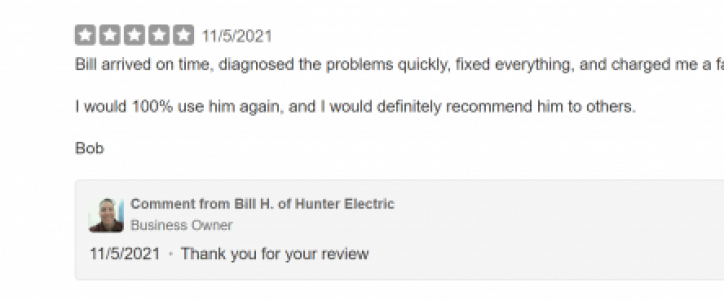
Learn more →Customer Reviews
Trusted EV charger installation throughout Ventura County
Schedule Your EV Charger Installation
Licensed electrician serving Ventura County. Professional EV charger installation for home and business.
Call (805) 509-8323